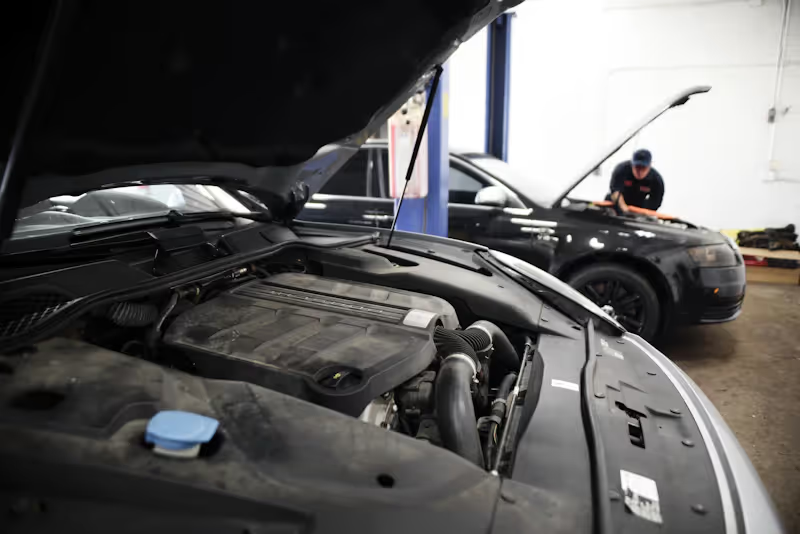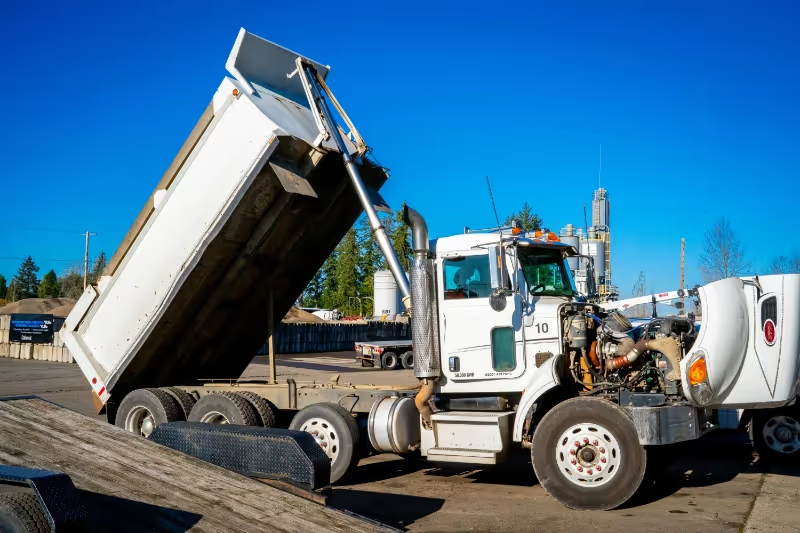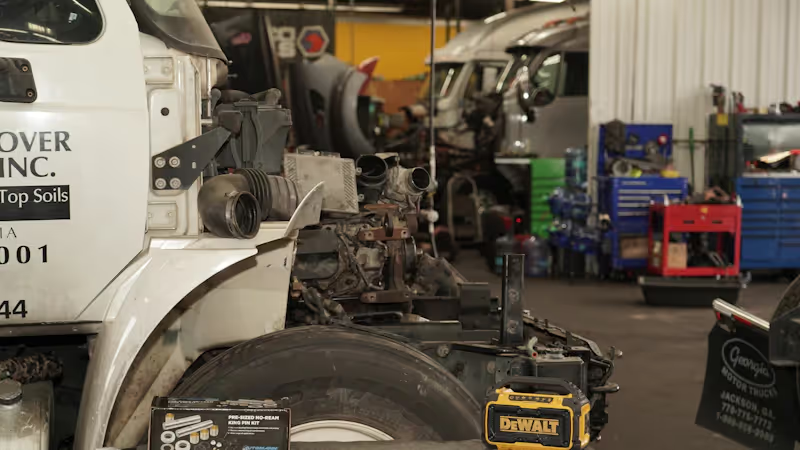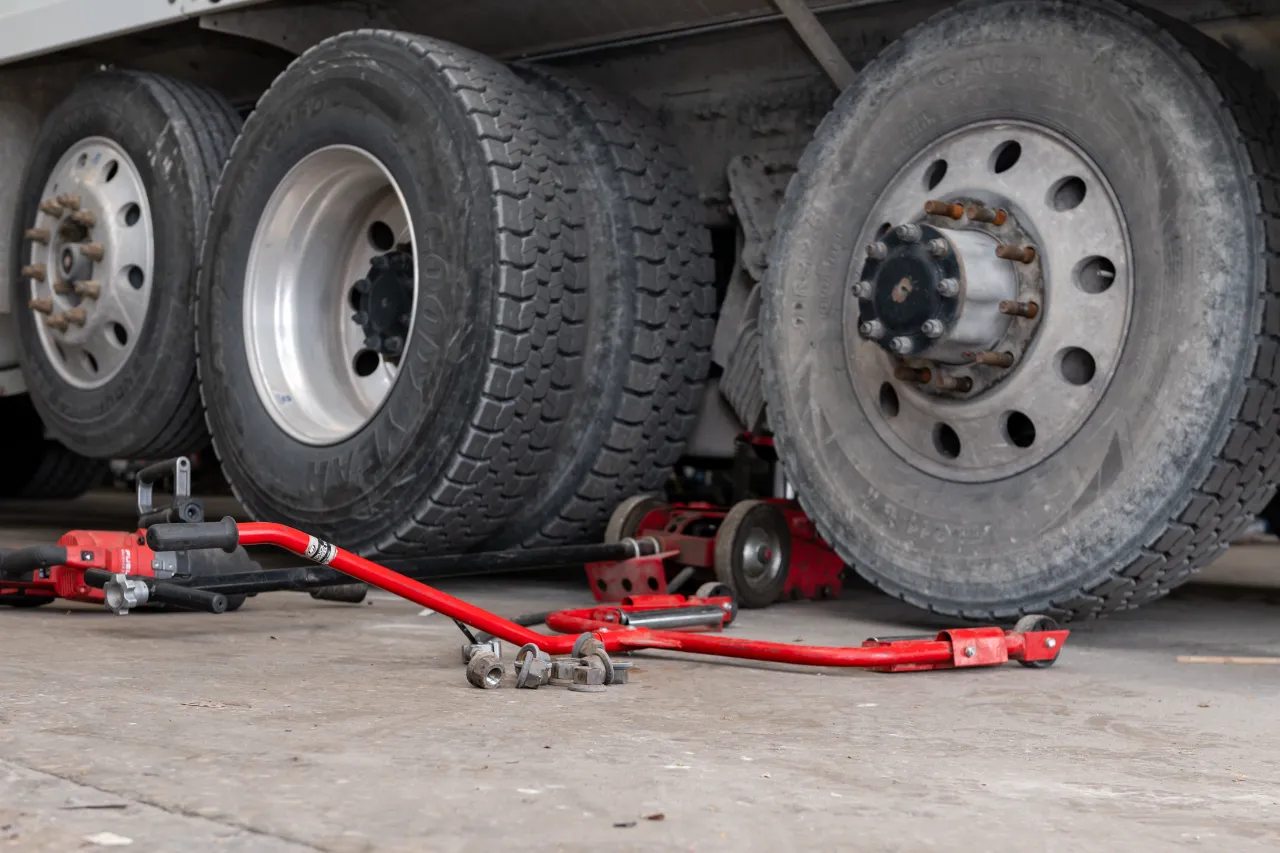
A diesel truck’s braking system relies on clean, dry compressed air. When the air dryer fails, moisture, oil vapor, and other contaminants can enter the air system, degrading brake response, shortening component life, and compromising overall safety. Air dryers are installed between the compressor and reservoirs to remove solid, liquid, and vapor contaminants before they reach the brake system. For trucks operating in and around Grayson, GA, humidity can make air system maintenance even more critical. If your truck shows signs of air dryer problems, the issue should be inspected before it causes delayed braking, air pressure loss, or preventable downtime.
Why The Air Dryer Matters
The air compressor supplies the pressurized air that powers the truck’s diesel air brake system. The air dryer conditions the air before it reaches the reservoirs, valves, lines, and brake chambers. A properly functioning dryer helps protect the system from moisture-related corrosion and freezing, supporting reliable brake operation.
When the dryer no longer removes moisture effectively, water can accumulate in tanks and lines. Over time, this can interfere with valve operation, reduce system efficiency, and increase wear on brake components. In practical terms, a small dryer problem can escalate into a major heavy-duty brake repair issue if ignored.
Common Air Dryer Problems
Air dryer failures can develop gradually. Drivers and fleet managers should watch for these common signs:
- Saturated Desiccant Cartridge: The cartridge can no longer absorb moisture.
- Stuck Purge Valve: The dryer may fail to expel collected moisture or release air too often.
- Heater Malfunction: The dryer may not prevent freezing in cold conditions.
- Oil Contamination: Compressor wear can allow oil to enter the air system.
- Restricted Airflow: Clogged components can slow pressure recovery and compromise brake readiness.
Reliable, clean, dry compressed air supports braking and other commercial vehicle systems, including automated manual transmissions, emissions controls, and safety systems.
How Moisture Causes Brake Issues
Moisture in a compressed air system can cause several brake-related problems. Water in air tanks can migrate into valves and lines. Once there, it can cause corrosion, valve sticking, and uneven air delivery. Common symptoms include:
- Slow buildup of air pressure
- Frequent purging from the dryer
- Water draining from the air tanks
- Delayed brake application
- Brakes that drag or release slowly
- Repeated low-air-pressure warning alerts
Federal rules require many commercial trucks and truck tractors to have a warning signal that alerts the driver to a service brake system failure. A warning light or buzzer should never be treated as a minor inconvenience.
Freezing And Contamination Risks
Moisture in the air system can freeze when temperatures drop. Even in Georgia, brief cold snaps can cause problems if the system already contains excess water. Frozen moisture can restrict airflow, delay brake application, or prevent proper brake release. Air dryers help reduce this risk by removing moisture before it reaches reservoirs and brake components.
Oil contamination raises a separate concern. If oil vapor passes through the dryer, it can damage rubber seals, valves, and other air-system components. Once contamination spreads, replacing only the air dryer may not fully resolve the problem. A proper inspection should include the compressor, purge valve, tanks, lines, fittings, and brake chambers.
Inspection And Maintenance Priorities
A consistent diesel truck brake inspection should include checks of both brake hardware and the air system. Federal maintenance rules require motor carriers and relevant personnel to understand and comply with inspection, repair, and maintenance requirements for commercial motor vehicles. During service, technicians should check:
- Air dryer cartridge condition
- Purge valve operation
- Air tank moisture levels
- Air pressure build time
- Visible air leaks
- Brake chamber condition
- Air lines and fittings
- Slack adjuster travel
- Brake shoe and drum wear
Commercial vehicle inspections also include brake adjustments, low-air-pressure warning device checks, brake pedal testing, and air-loss rate checks. These inspection points show why the air system should be evaluated as a whole, not as isolated parts.
When To Schedule Service
Schedule a diesel air dryer repair when the truck takes longer than normal to build air, purges excessively, displays repeated air-pressure warnings, or drains water from the tanks. Service is also recommended if the brakes feel delayed, weak, uneven, or slow to release.
For fleets, maintenance records can reveal patterns. If the same truck repeatedly shows signs of moisture, low pressure, or air leaks, the root cause may be the dryer, compressor, governor, fittings, or contaminated components.
Conclusion
Air dryer problems can directly affect brake performance in diesel trucks. Moisture, oil, and debris can damage valves, contaminate tanks, freeze in lines, and cause pressure loss. Regular inspections and timely mobile diesel brake service help keep trucks safer, more reliable, and compliant. If your truck or fleet is experiencing air system or brake concerns near Grayson, GA, contact Trux Fleet Mobile Services for mobile diesel diagnostics, air system inspection, and brake repair support.
.avif)

.avif)
.avif)